
Olfactory fatigue: why you stop smelling your scent, and why your guests still do
A few weeks after a new scent is installed, we sometimes get the same call: "I think the diffuser has stopped working. I can't smell it any more." Almost every time, the diffuser is working perfectly. What has changed is the nose. This is olfactory fatigue, and understanding it is the difference between a scent that works and one you second-guess.
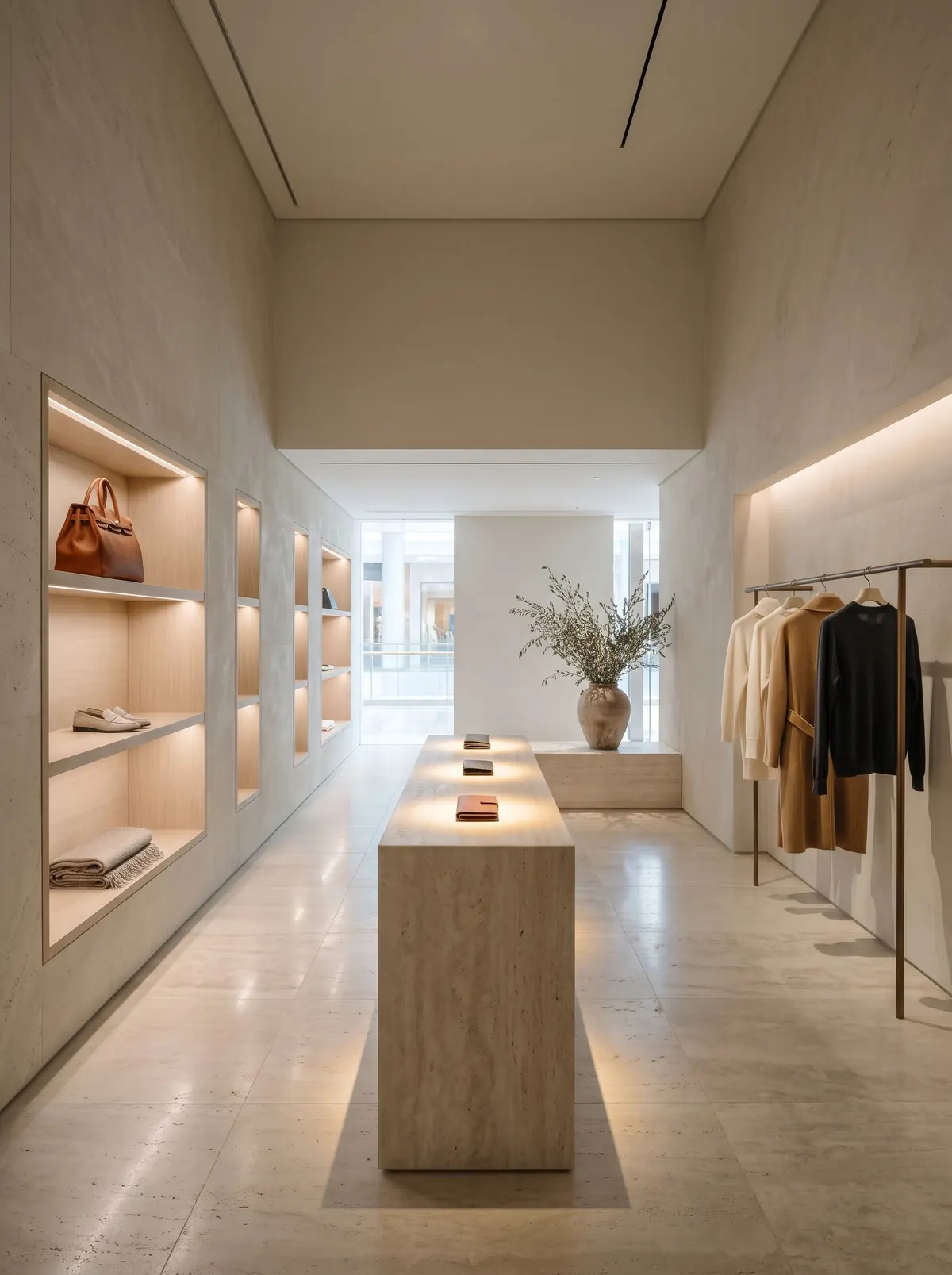
- Olfactory fatigue is the brain's natural habit of tuning out a smell it is exposed to all day.
- It affects the people who spend hours in the space, like staff, not the guests who walk in fresh.
- Turning the intensity up to compensate usually makes the space too strong for guests.
- The right answers are education, testing, smart scheduling and, for some brands, scent rotation.
What is olfactory fatigue?
Olfactory fatigue, sometimes called nose blindness or olfactory adaptation, is the temporary loss of sensitivity to a smell after continuous exposure to it. The brain is built to notice change. Once a smell stays constant and poses no threat, it gradually stops paying attention to it, so new smells stand out.
It is the same reason you stop noticing the smell of your own home, your car or your perfume, while a visitor notices it the moment they walk in.
Why it matters for businesses
In a scented hotel, store or office, two groups experience the scent very differently:
| Guests and customers | Staff and managers | |
|---|---|---|
| Time in the space | Minutes to hours | Eight hours or more, every day |
| What they notice | The scent on arrival, every visit | Less and less over time |
| What they say | "It always smells amazing here" | "Is the diffuser still working?" |
The risk is not the fatigue itself. It is the decisions people make because of it: turning the intensity up until guests find it heavy, or cancelling a scent that is doing exactly what it should.
How we handle olfactory fatigue
1. We explain it before we start
For every major brand and signature scent client, we explain olfactory fatigue at the beginning, in the contract itself. When the team knows what to expect, a quiet nose after a few weeks is reassuring, not alarming.
2. We let guests be the judge
The people who matter most are the ones who walk in fresh. When a scent is right, guests mention it, ask about it and remember it. That feedback is the clearest sign the system is working, even when the team can no longer smell it.
3. We prove it with a simple test
For clients who still doubt, we run a short test: we switch to a different fragrance for two or three days. The team notices the change immediately, because their noses are fresh again. Then we return to the original scent. After seeing it for themselves, clients rarely raise the question again.
4. We monitor, so nobody has to guess
Under our annual maintenance contract, every diffuser is monitored in our software and serviced on schedule, mostly monthly, with oil sized to last 30 to 35 days. If consumption, intensity or schedules change, we see it before anyone has to wonder.
5. We schedule intensity, not just volume
Scent works best when it is calibrated to opening hours and footfall rather than set high all day. Scheduling also gives the space natural breaks, which helps noses reset.
Rotation and seasonal scents: when they make sense
Some brands want their spaces to evolve through the year, and in the UAE we rotate fragrances for many clients:
- Seasonal scents: a Christmas fragrance for the festive season, a lighter scent for summer, a warmer one for winter.
- Quarterly rotation: for some brands, a new fragrance every three months, especially where staff spend long hours in the space and want to enjoy the change too.
When we recommend keeping one scent
If the purpose of the scent is the guest experience and brand recognition, the scent should stay the same. A signature scent only becomes recognisable through consistency: guests should smell the same brand in Dubai on their tenth visit as on their first. Brands that understand olfactory fatigue keep their signature, and let their guests do the noticing.
| Your goal | Our recommendation |
|---|---|
| A recognisable brand signature | Keep one scent, manage intensity, educate the team |
| A fresh experience for staff | Seasonal or quarterly rotation |
| Seasonal moments for guests | A core scent with seasonal editions |
Questions
- Why can't I smell my diffuser any more?
- Most likely olfactory fatigue: after continuous exposure, the brain tunes the scent out. Guests arriving fresh still notice it. If in doubt, ask us for a short test with a different fragrance.
- Should we increase the intensity?
- Usually not. Turning it up for staff can make the space too strong for guests. We adjust schedules and placement instead.
- Does olfactory fatigue mean scent marketing doesn't work?
- No. It only affects people exposed all day. Guests and customers, the people the scent is designed for, experience it every time they arrive.